
How to Increase Your Pollinator Garden and Create a Thriving Backyard Habitat
A pollinator garden is more than a beautiful collection of flowers—it is a vital habitat that supports bees, butterflies, hummingbirds, and other beneficial creatures. As pollinator populations face challenges from habitat loss, pesticide use, and changing climates, even a small garden can make a meaningful difference. For more information on local people making a difference, check out the NJ Pollinators, NYC Pollinators and the Pollinator Pathway in NYC.

1) Add More Native Plants!
One of the best ways to increase your pollinator garden is by adding native plants. Native flowers have evolved alongside local pollinators, making them excellent sources of nectar and pollen. They also tend to require less water and maintenance because they are naturally adapted to your region.
2) Plant in Groups
A single flower may be attractive, but groups of the same plant are much easier for pollinators to find. Planting flowers in clusters creates a stronger visual signal and provides a larger feeding area for bees and butterflies.

3) Choose Plants with Different Bloom Times
A successful pollinator garden offers food from spring through fall. If everything blooms at once, pollinators may struggle to find resources later in the season.
Include a mix of:
Spring flowers for emerging bees and early butterflies
Summer blooms for active pollinator populations
Fall flowers that provide important late-season nourishment
A garden that changes throughout the year will continue supporting wildlife for months.
4) Provide Water and Shelter
Pollinators need more than flowers. Adding small sources of water, such as a shallow birdbath or dish with stones for landing spots, can help keep them hydrated.
You can also create shelter by leaving some natural areas in your garden. Leaf litter, hollow stems, and small brush piles provide places where insects can rest, hide, and overwinter.
5) Avoid Harmful Chemicals
Reducing pesticide use is one of the most important steps you can take to protect pollinators. Many chemicals can harm bees and other beneficial insects, even when used on plants that attract them.
6) Add More Variety
A diverse garden is a stronger garden. Different pollinators are attracted to different flower shapes, colors, and scents, so adding variety increases the number of species your garden can support.
Consider including:
Flowering shrubs
Herbs like mint, oregano, and lavender
Wildflowers
Native grasses
Trees that provide spring blossoms
The more layers and textures your garden has, the more life it can support.
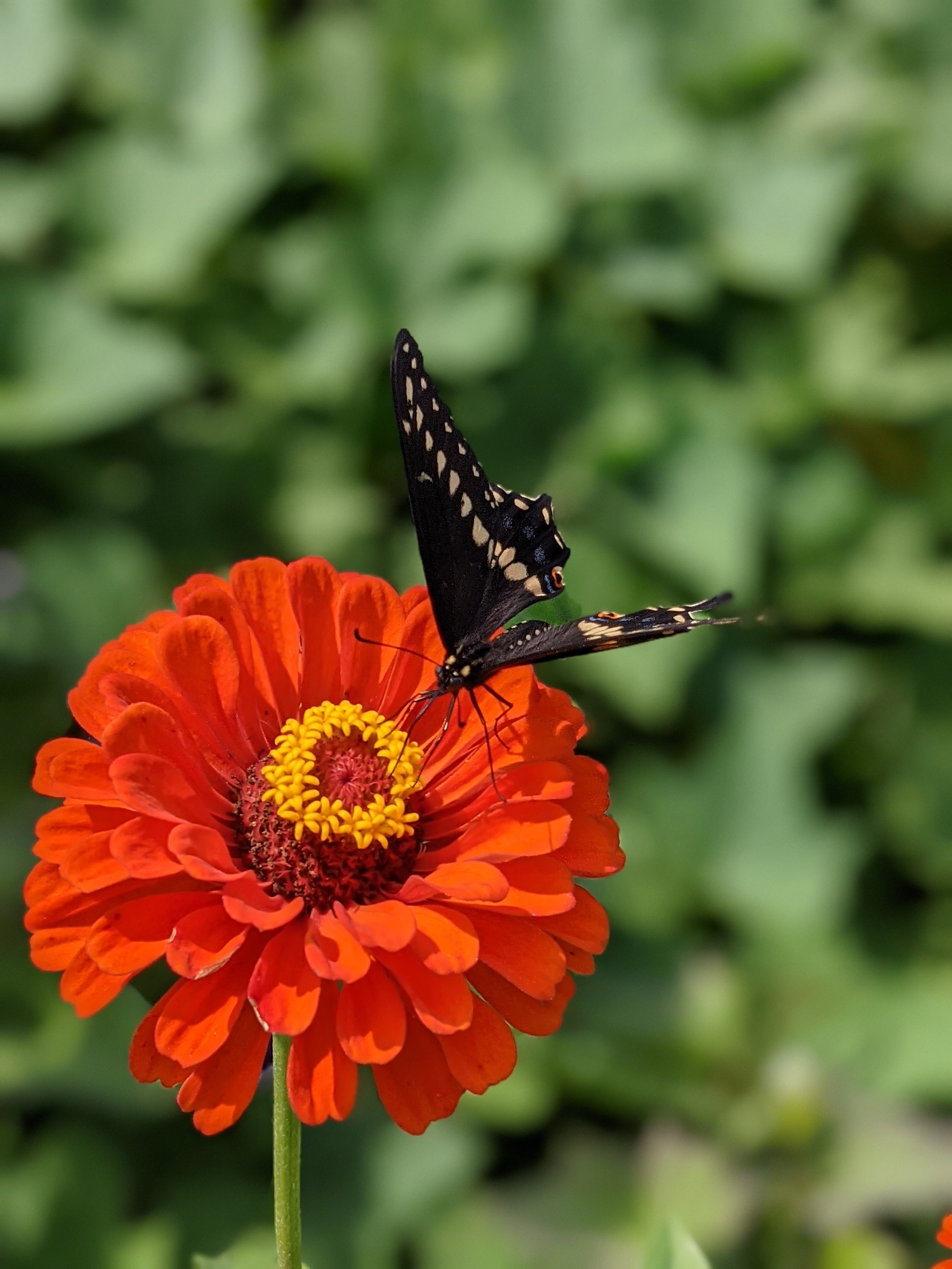
A small garden can have a big impact—and every flower is an invitation for wildlife to return.
